Introduction: An International Forum on Radiological Protection
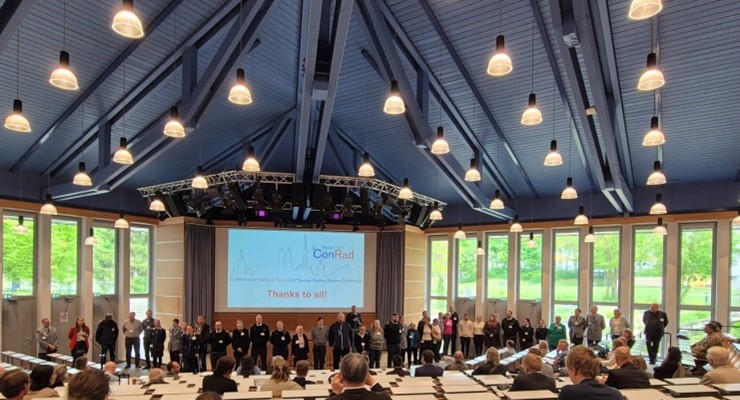
The ConRad 2025 Congress, the 26th International Conference on Nuclear Medical Defense, was held in Munich from May 5 to 8, 2025. Organized by the Bundeswehr Institute of Radiobiology (affiliated with the University of Ulm, BIR), this biennial event has become a global benchmark forum on ionizing radiation, particularly regarding preparedness, response, radiological protection, and emergency-related research. ConRad 2025 brought together hundreds of civilian and military experts from numerous countries, providing a multidisciplinary space for scientific and practical exchange in the field of radiological protection.

A lovely gift from the organizers: a duck dressed in traditional Bavarian attire and a sweet treat that added a warm and thoughtful touch to the conference
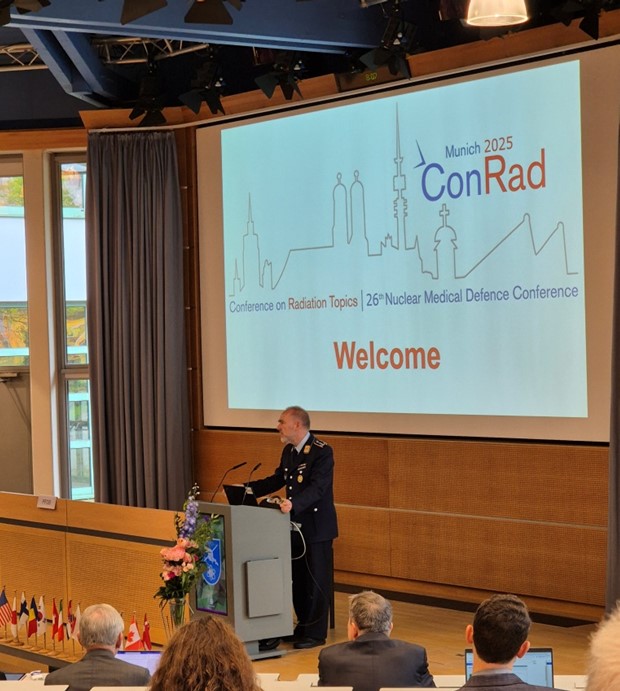
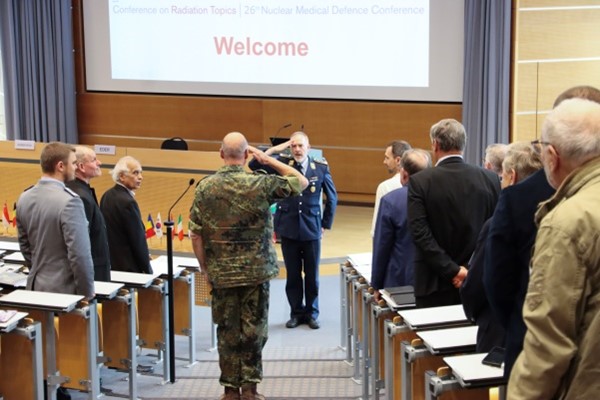
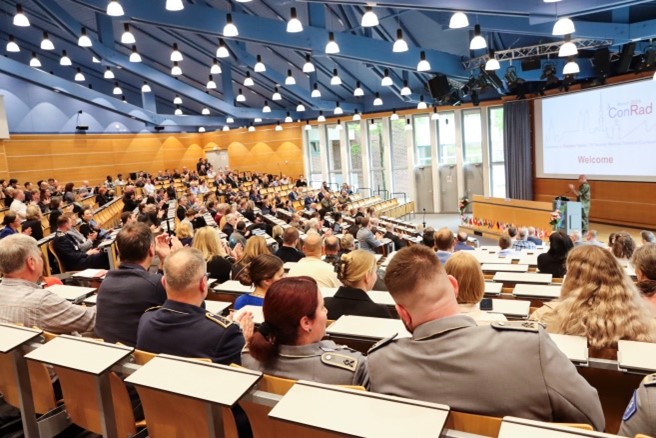
Welcome by Dr. Matthias Port and Major General (MC) Dr. Holtherm
The welcoming addresses were delivered by Colonel (MC) Prof. Dr. Matthias Port from the Bundeswehr Institute of Radiobiology, affiliated with the University of Ulm (Munich, Germany), in his role as Conference Chair, and by Dr. Zhanat Kenbayeva from the World Health Organization (Switzerland), also serving as Conference Chair.
This edition highlighted two main thematic axes in prominent plenary sessions: on one hand, biomarkers for biodosimetry and prediction of the severity of acute radiation syndrome (ARS); on the other, radionuclide decorporation (strategies to eliminate radioactive contaminants from the body).
In addition to these key sessions, the program covered a wide range of topics—from epidemiology and radiation biology, radiological emergency medicine, and radiation physics and dosimetry, to issues of operational radiological protection.
What follows is a summary of the most relevant content presented at ConRad 2025, intended for professionals in radiological protection and technically interested audiences.
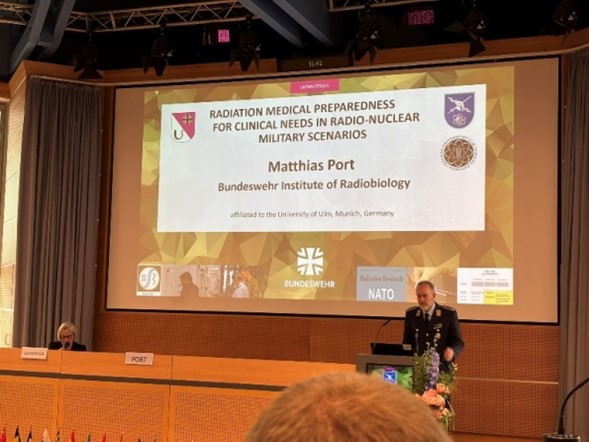
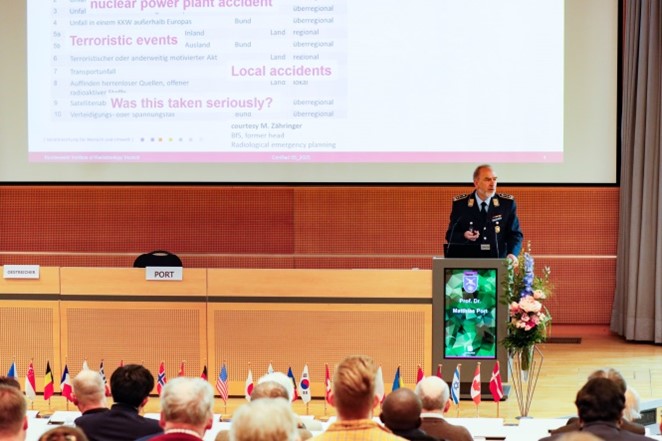
Preparedness and Response to Radiological Emergencies
A key cross-cutting theme of the congress was preparedness and response to nuclear or radiological incidents. In the session on Radiation Accident Management, the question was posed directly: “Are we prepared for radiological incidents?”—accompanied by an analysis of local and national response protocols.
This study, which included participation from Hamburg’s fire and police departments, concluded that although such accidents are rare, they can occur at any time and in any place. Currently, the response often lacks coordination and specialized resources in many contexts.
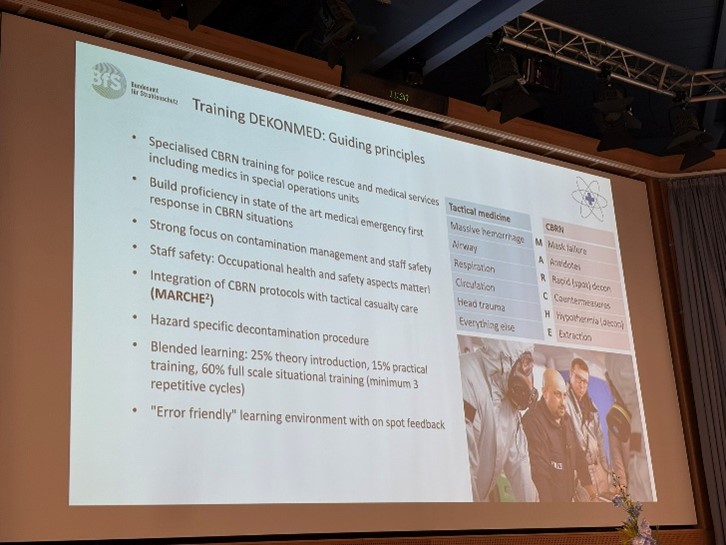
The need to raise awareness and improve training among healthcare personnel was emphasized, as well as the importance of equipping hospitals with detection and decontamination tools. It was also stressed that local response plans must be established, integrating all relevant authorities (fire services, law enforcement, specialized laboratories, etc.) to effectively manage a radiological emergency.
International Experience and Collaboration
Japan shared the lessons learned from its national healthcare system for radiological disaster response, developed in the aftermath of incidents such as Tokaimura and Fukushima. Similarly, other countries presented initiatives aimed at strengthening their preparedness; for example, Saudi Arabia showcased how it is incorporating biodosimetry capabilities into its national nuclear emergency response plans.
At the international level, the World Health Organization (WHO) announced the release of the new iCAM guidelines (Internal Contamination Assessment and Management), which provide evidence-based recommendations for assessing and managing individuals internally contaminated with radionuclides. These guidelines represent an effort to standardize the global response to internal contamination, facilitating international coordination.
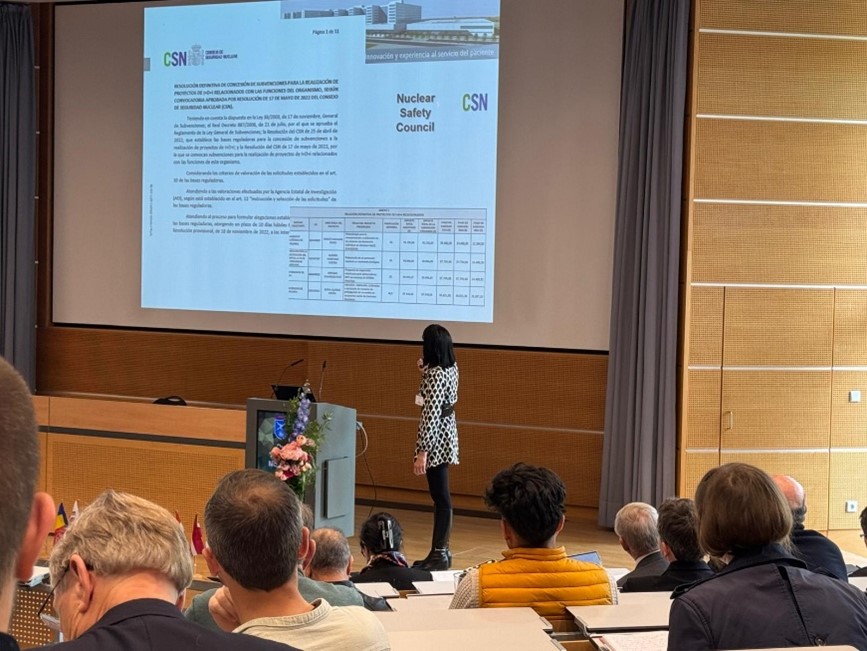
Several experts emphasized the importance of international response networks and collaboration. During the congress, updates were presented on RENEB, the European network of biodosimetry and retrospective dosimetry laboratories, which continues to expand its joint capabilities for coordinated radiological emergency response across Europe. In this context, Spain had a prominent presence: a consortium of Spanish centers presented the development of a national biodosimetry protocol for radiological emergencies, supported by the Nuclear Safety Council (CSN), demonstrating the country’s commitment to consolidating national efforts in radiological preparedness.
U.S. Contributions and the Challenge of Mass Casualty Management
The United States also shared its experience through the Radiation Injury Treatment Network (RITN), which presented initiatives aimed at strengthening preparedness in remote regions, such as the Pacific Islands. These efforts include training local personnel and developing specific contingency plans tailored to those areas.
One recurring challenge in nuclear emergencies is the effective management of mass casualty incidents involving large numbers of people who are concerned but not necessarily affected—commonly referred to as the “worried well.” At ConRad 2025, strategies for triage and communication were discussed to address this population and prevent the overburdening of healthcare services. An integrated approach was presented to respond to their medical and psychological concerns, directing them appropriately away from hospital care if they had not experienced significant radiation exposure.
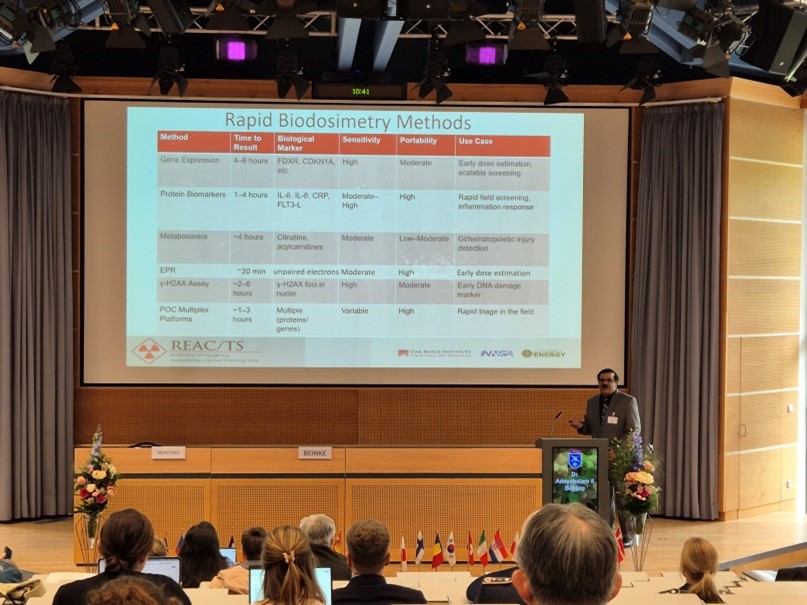
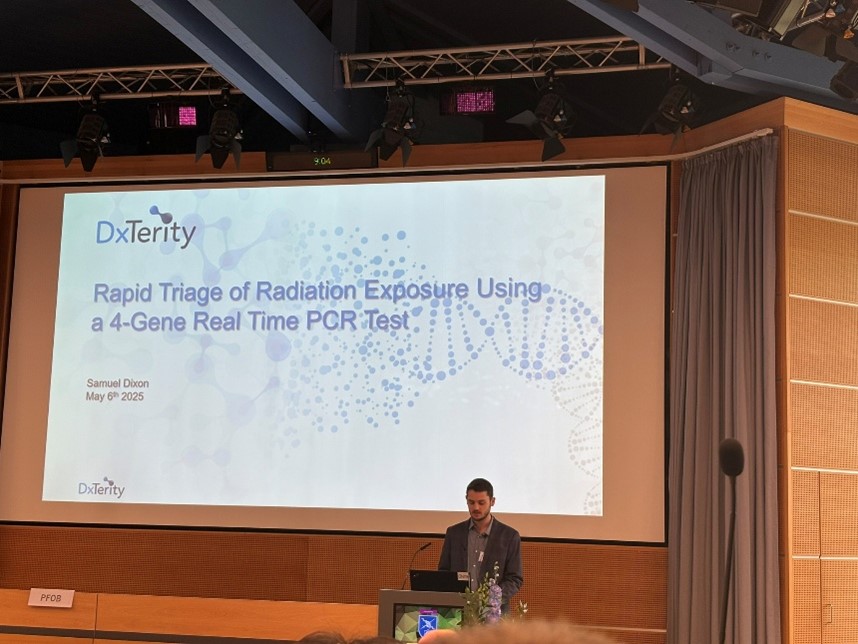
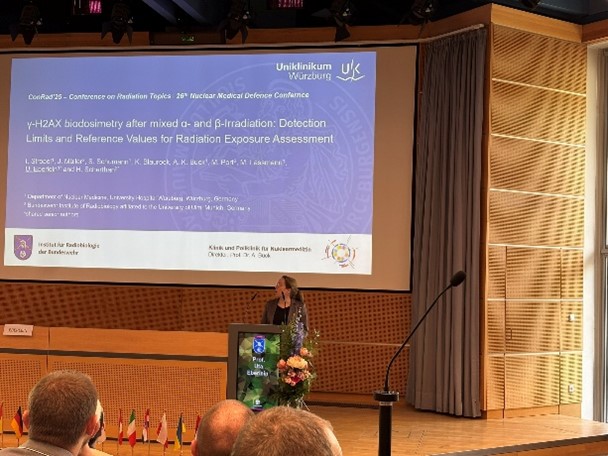
In relation to this topic, a system for rapid, large-scale radiological assessment was proposed for major disaster scenarios. A German team presented high-throughput methods to distinguish non-exposed individuals (dose <1 Gy) in the event of a nuclear incident, allowing medical resources to be focused on those who are truly affected.
This line of work includes rapid genetic tests—such as a four-gene PCR assay for early exposure detection—which are essential for optimizing emergency response in scenarios involving potentially large numbers of people.
Medical Management of Irradiated Victims
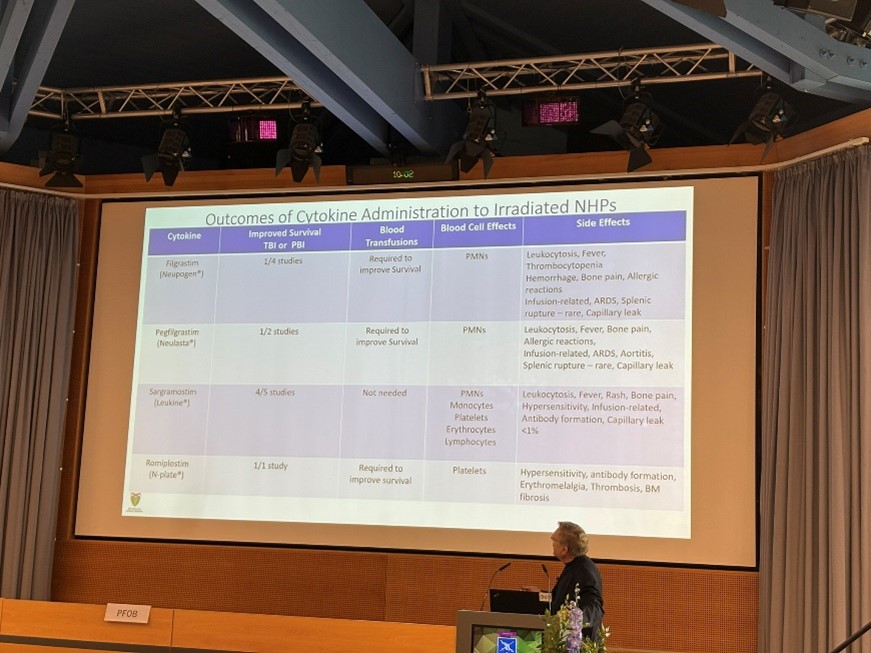
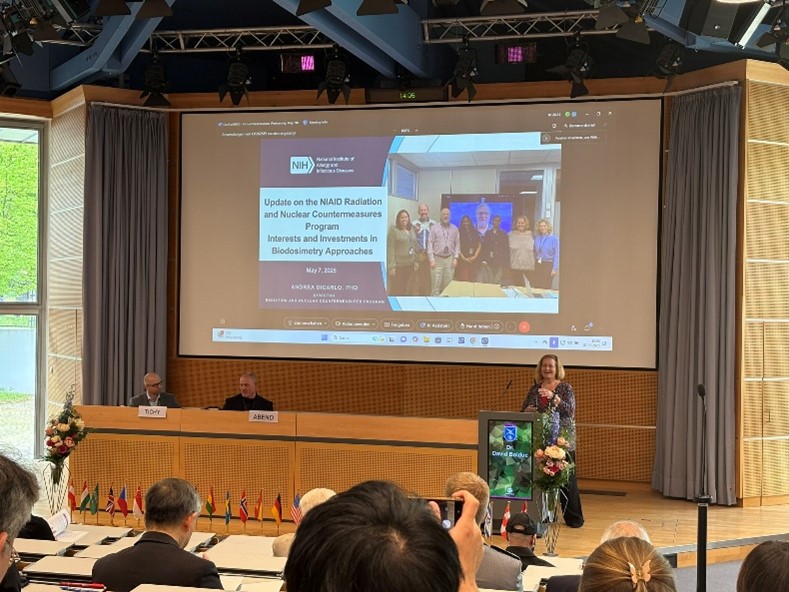
The coordination of medical care for irradiated victims was then addressed. An international panel of hematologists—including experts from the WHO, Japan, the United States, and Europe—discussed the use of hematopoietic cytokines (growth factors) in mass casualty scenarios.
The panel shared recommendations on how and when to administer colony-stimulating factors (such as G-CSF, GM-CSF, and thrombopoietins like Nplate) during radiological incidents with limited resources. The goal was to mitigate acute bone marrow syndrome (also known as hematopoietic acute radiation syndrome) and improve survival rates in large-scale emergencies.
Overall Reflections from the Emergency Sessions at ConRad 2025
The emergency-focused sessions at ConRad 2025 made it clear that, while significant progress has been achieved in planning and response measures, major gaps remain in training—especially for medical personnel—as well as in available equipment and institutional coordination. These represent key challenges that the radiological protection community will need to address moving forward.
Technological Innovations in Radiological Protection and Training
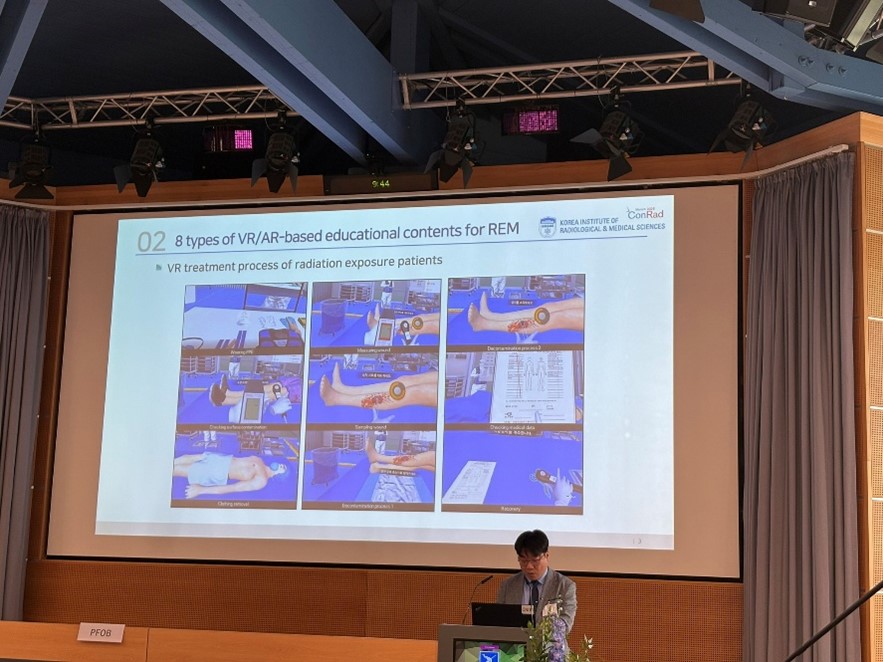
The congress also highlighted how technology has become a vital ally in radiological response. Numerous innovative tools were presented to enhance both detection capabilities and professional training. A standout example was the development of virtual and augmented reality (VR/AR) simulators for radiological emergency training. Researchers from South Korea presented a comprehensive immersive training system that realistically simulates nuclear and radiological accident scenarios, offering hands-on experience in a safe, controlled environment.
Immersive Training with Virtual Reality
The virtual reality simulator allows first responders to practice patient decontamination procedures, manage complex casualties in radiological scenarios, and conduct mass triage in a variety of situations—from reactor accidents to terrorist attacks involving “dirty bombs.” The VR sessions feature dozens of virtual patients with vital signs, traumatic injuries, and symptoms of acute radiation syndrome, requiring users to assess and classify them by severity.
Between 2023 and 2024, more than 270 professionals in South Korea trained with this platform, demonstrating its effectiveness in developing critical skills and accelerating decision-making in a risk-free environment. Virtual reality, especially when combined with augmented reality, is emerging as a cutting-edge tool for preparing highly trained personnel for radiological response.
Mobile Technology for Field Training: Project SIEVERT
Another notable innovation was the SIEVERT project, a mobile application developed in Germany that interactively simulates various radiometers and emergency detectors. This app allows response teams to train in locating and measuring radioactive sources during simulated exercises, replicating readings from devices such as operational dosimeters, Geiger counters, and spectrometry instruments—all through a smartphone interface.
These kinds of tools significantly expand access to ongoing hands-on training, even outside laboratory settings, enhancing the readiness of field personnel to correctly use detection equipment during real incidents. Even for teams without physical detectors, the app provides a better understanding of radiation hazards and the basic protection principles—such as shielding, distance, and time limitation.
Advances in Rapid Radiological Diagnostics
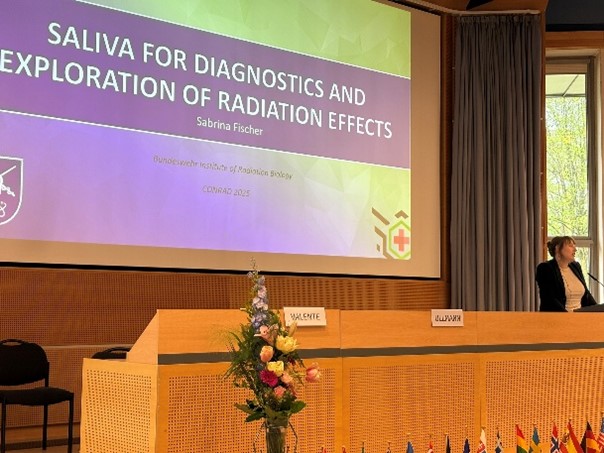
ConRad 2025 also showcased promising advances in the field of rapid diagnostics. In addition to the portable genomic tests for triage already mentioned, a new saliva-based microfluidic platform was introduced. This system can detect gene expression changes induced by radiation exposure, offering a non-invasive, fast, and potentially field-deployable method for early diagnosis and response in radiological emergencies.
Emerging Biosensor Technologies for Non-Invasive Biodosimetry
This biosensor technology, still under development, aims to create non-invasive, point-of-care biodosimetry tools in which a simple saliva sample can help estimate whether a person has received a significant dose of ionizing radiation. The possibility of having portable kits capable of performing immediate genetic analysis—without the need for centralized laboratories—would represent a major breakthrough in early triage of individuals affected by nuclear incidents.
Artificial Intelligence and Data Management in Radiological Protection
The integration of artificial intelligence (AI) and advanced data management was another key area of innovation. A special session titled “Advances in Data Sharing and Management in Radiological Protection” brought together experts who emphasized the need to adopt the FAIR principles—making data Findable, Accessible, Interoperable, and Reusable—in large-scale research initiatives.
One of the main focal points was the European initiative PIANOFORTE, a consortium dedicated to radiological safety that aims to promote these data management standards to foster collaboration and transparency in research. In parallel, Germany proposed the creation of a dicentric chromosome image database within the RENEB network. The goal is to use this resource to train and validate AI algorithms for automated biodosimetry, thereby improving the speed and scalability of dose assessments in radiological emergencies.

Toward AI-Driven Biodosimetry and Ethical Data Use
The development of this international image database presents significant challenges in terms of funding, data protection, and standardization. However, it opens the door to the future automation of chromosomal aberration analysis and other dose biomarkers using algorithms trained on large volumes of data (big data).
In parallel, experts from European hospitals discussed how clinical data management and privacy considerations affect the implementation of artificial intelligence solutions in medical radiological protection. They emphasized the need to balance technological innovation with information security and ethical responsibility, ensuring that AI tools benefit patients without compromising personal data or violating regulatory standards.
Non-Ionizing Radiation: Monitoring and Biological Impact
Technological attention at ConRad 2025 also extended beyond ionizing radiation to include non-ionizing sources. A new personal dosimetric device, DOZEMF, was introduced to quantify individual exposure to radiofrequency electromagnetic fields—particularly relevant given the rise of new wireless communication technologies.
Alongside this, experimental studies were presented on the potential biological effects of electromagnetic radiation used in both military and civilian settings. Notably, a Romanian study evaluated prolonged exposure to pulsed radar radiation in animal models. Although no significant oxidative stress was found in the rats, subtle signs of lipid peroxidation were observed, indicating the need for further research. These findings offer some reassurance regarding the safety of systems such as radar and 5G, but also highlight remaining knowledge gaps concerning the chronic effects of low-intensity non-ionizing radiation.
Radionuclide Decorporation: A Central Theme at ConRad 2025
Decorporation—the process of removing incorporated radionuclides from the body—was another key topic at ConRad 2025, addressed from both the development of new treatments and the reassessment of existing therapies. Key Session II was entirely dedicated to this subject, with contributions from the World Health Organization and several international reference centers.
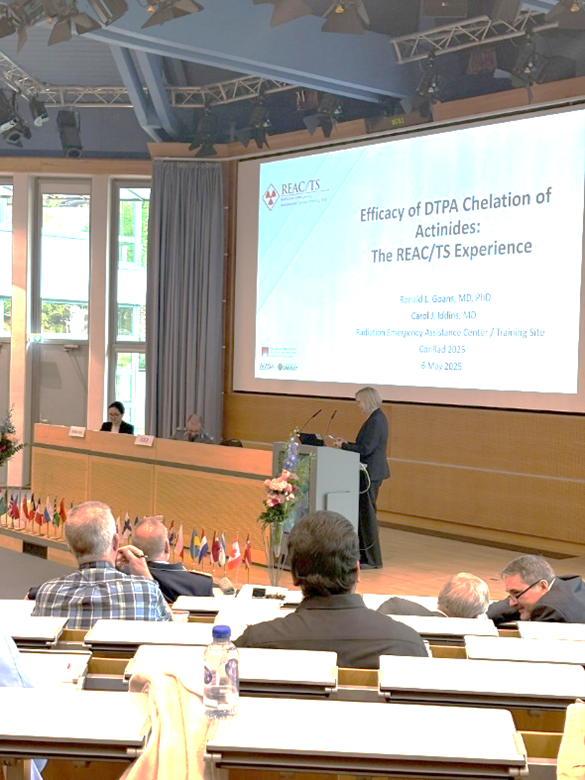
A cornerstone of the session was a systematic review on the efficacy of DTPA (diethylenetriamine pentaacetic acid), a chelating agent used since the Cold War to bind actinides and heavy metals in cases of internal contamination. The updated results of this review allowed for a re-evaluation of DTPA’s indications and limitations across different scenarios, providing a stronger evidence base for its real-world clinical benefits.
Complementing the scientific overview, the REAC/TS institute (USA) shared extensive field experience using DTPA in real contamination incidents involving plutonium, americium, and other actinides. Key lessons learned were highlighted—such as the critical importance of early initiation, repeated dosing, and continuous patient monitoring. These practical recommendations aim to optimize the outcomes of chelation therapy in future radiological emergencies.
Future Perspectives: New Decorporation Agents in Development
Looking ahead, several research teams presented promising advances in next-generation decorporation agents. One of the most notable updates was HOPO-101, a state-of-the-art chelator specifically designed for oral administration. Unlike DTPA—which requires intravenous or inhaled delivery—HOPO-101 has a high affinity for actinides and is formulated as tablets or capsules, greatly simplifying its use in mass casualty scenarios. At ConRad, it was confirmed that HOPO-101 has entered the early phases of clinical trials, generating strong interest as a potentially widely accessible antidote for nuclear incidents.
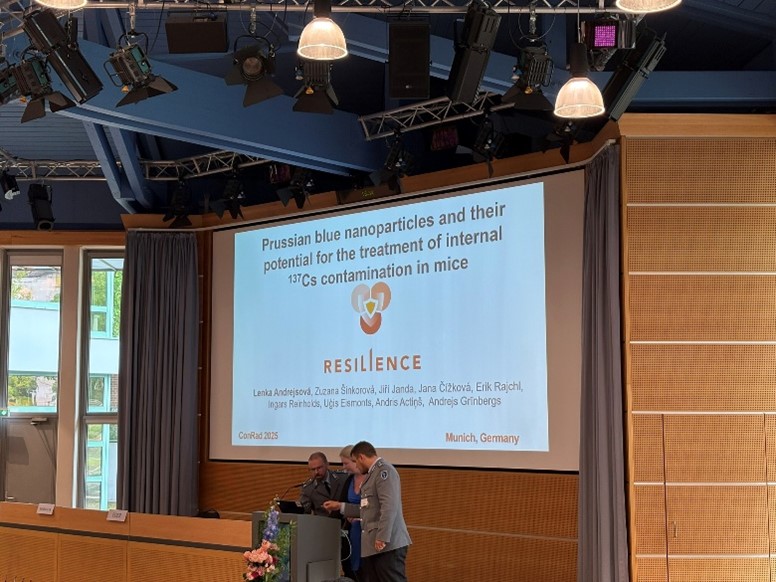
In parallel, European researchers are developing innovative formulations such as Prussian blue nanoparticles for treating internal contamination with cesium-137. This nanotechnology-based approach aims to enhance the cesium-binding capacity of traditional Prussian blue, thereby accelerating its elimination from the body following ingestion or inhalation.
New routes of administration were also explored to improve treatment efficacy and accessibility. A French study presented evidence supporting inhaled aerosolized DTPA as an effective method for treating chronic plutonium contamination in the lungs. This delivery route helps maintain chelation directly in the affected lung tissue while reducing systemic side effects.
These developments reflect a clear trend toward therapies that are more accessible, targeted, and adaptable to large-scale emergency situations.
Altogether, these advances point toward a future where radiological countermeasures are not only more effective, but also more practical and scalable for emergency response.
Clinical Advances in Countermeasures for Acute Radiation Syndrome (ARS)
Clinical applications of medical countermeasures for Acute Radiation Syndrome (ARS) also featured prominently on the agenda. Researchers from the Uniformed Services University (USA) presented findings on extending the therapeutic window of romiplostim (Nplate), a thrombopoietin receptor agonist approved for treating radiation-induced bone marrow failure. Their results suggest that Nplate may remain effective even when administered beyond the currently recommended post-exposure timeframe—a crucial benefit for victims who receive delayed medical care in large-scale emergencies.
Another important area of focus was radiation-induced pulmonary fibrosis, a potentially fatal complication of radiation-induced lung toxicity. A research group presented a combined approach that integrates novel antifibrotic drugs with artificial intelligence–based algorithms for early detection of lung damage in mouse models.
This line of research aims to identify patients at risk of developing progressive fibrosis at the earliest possible stage—through automated image analysis or biomarker profiling—so that countermeasures can be applied before irreversible damage occurs. Such integrative strategies could significantly improve long-term outcomes for ARS survivors, especially in scenarios involving high-dose or partial-body exposures.
Translational Radiobiology and Emerging Therapeutic Targets
Translational radiobiology and radiopathology also contributed novel insights with potential clinical relevance. Danish researchers presented a promising radioprotective agent for gastrointestinal acute radiation syndrome (GI-ARS), showing encouraging results in preclinical models. In addition, new potential therapeutic targets were identified, such as TRP ion channels. According to the studies presented, modulating these channels may help mitigate the systemic effects of acute radiation exposure.
In the field of oncology, it was reported that certain metabolic drugs—such as fenofibrate (commonly used to treat dyslipidemia)—may act as tumor radiosensitizers in cases of brain cancer. These effects appear to be mediated through alterations in the lipid metabolism of malignant cells. Although this research is still in its early stages, the findings illustrate the expanding scope of radiobiological knowledge and its potential translation into new therapeutic or protective strategies for both patients and the general population.
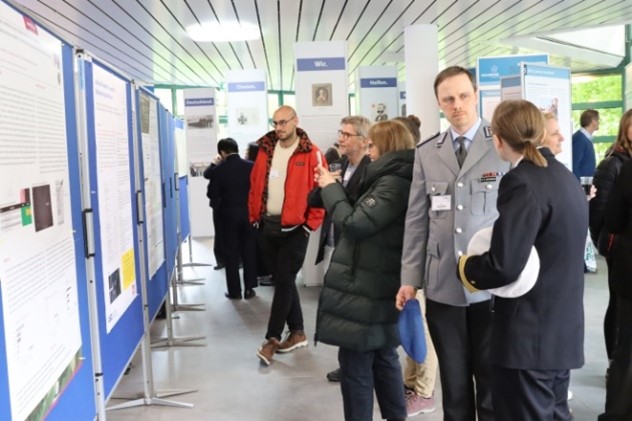
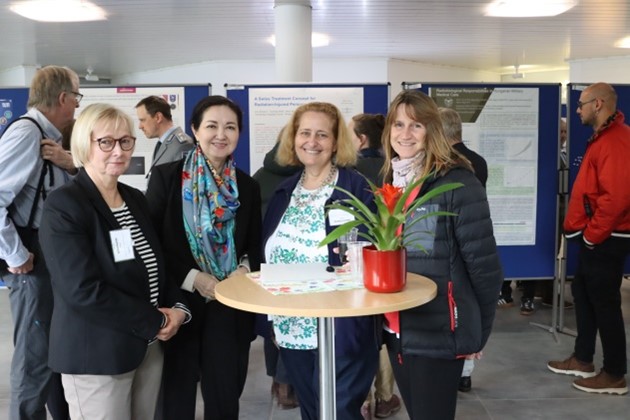
The ConRad 2025 conference included a special poster session on Tuesday, May 6th, accompanied by a cocktail buffet to foster scientific exchange. A total of 57 posters were presented, covering a broad range of topics across nine thematic areas: biodosimetry, decontamination measures and monitoring, effects of electromagnetic fields and non-ionizing radiation, effects of low-dose ionizing radiation, radiological accident management, radiation biology/physics, medical preparedness and response to radiological emergencies, radiation epidemiology, and radiation health effects and medical countermeasures.
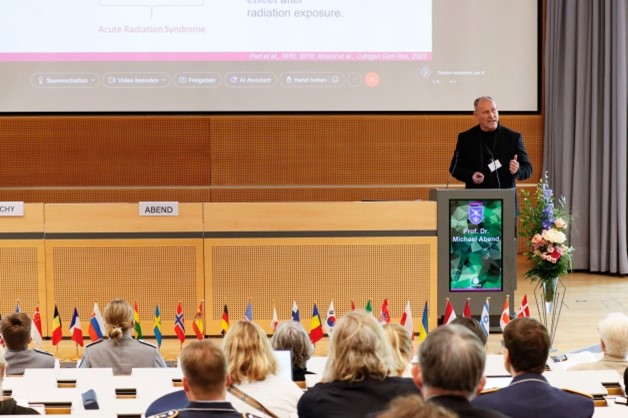
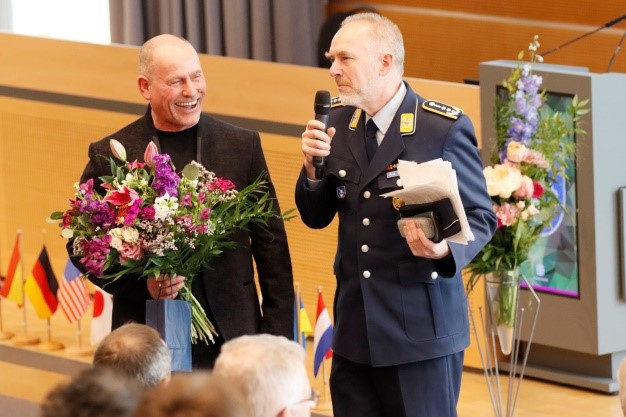
The conference also included a very emotional moment: the retirement of our dear Prof. Dr. Michael Abend. The event was accompanied by live music and several heartfelt speeches delivered by colleagues and friends of Prof. Dr. Abend. As a special tribute, he received a beautiful gift: a painting created using clippings from many of his scientific publications.

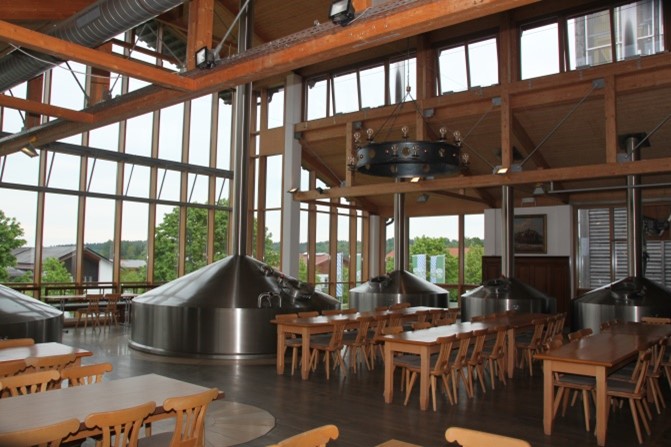
As part of the program, time was set aside to visit the traditional Ayinger brewery, where participants learned about its history, the variety of beers it offers, and the brewing process. The visit concluded with a beer tasting session, adding a cultural and enjoyable touch to the conference experience.


Conclusions: Progress and Challenges after ConRad 2025
ConRad 2025 provided a comprehensive and up-to-date overview of progress in radiological protection, while clearly highlighting the challenges that remain. The international community has made notable advances: improved diagnostic and rapid triage tools, cutting-edge training technologies that enhance preparedness, emerging drugs and antidotes to mitigate radiation-induced harm, and stronger national and international collaborative networks ready to respond to emergencies.
In particular, strides in next-generation biodosimetry, the harmonization of international guidelines, and innovative radionuclide decorporation therapies mark firm steps toward a more effective, evidence-based radiological emergency response.
However, the recurring question—“Are we truly prepared?”—echoed throughout several sessions, underscoring significant real-world gaps: many general hospitals lack adequate training and equipment to deal with large-scale radiological incidents. Effective coordination among agencies still depends on local-level response plans that, in many cases, are underdeveloped or nonexistent. Ongoing education and professional development in radiological protection remain critical priorities to maintain awareness and competence in the face of rare but potentially catastrophic events.
ConRad 2025 fostered a collaborative, multidisciplinary atmosphere, with active participation from international organizations, military and civilian institutions, universities, and research centers. The congress reaffirmed the importance of joint efforts to strengthen radiological emergency preparedness and response.
Participants returned to their countries with a clear message: scientific and technological advances must be matched by practical implementation through training, protocols, and operational resources. Only then will innovations—such as genetic biomarkers or virtual reality simulators—translate into real improvements in radiological protection for populations and workers, and into more effective management of future nuclear or radiological incidents.
In essence, ConRad 2025 has charted the course for the next challenges and opportunities in this vital field for public health and safety.
We would like to express our heartfelt thanks to Dr. Matthias Port—an extraordinary scientist, colonel, and physician, but above all, an exceptional human being—for all he has done for science. Thanks to his dedication, the world is undoubtedly a safer and better-protected place against radiation!

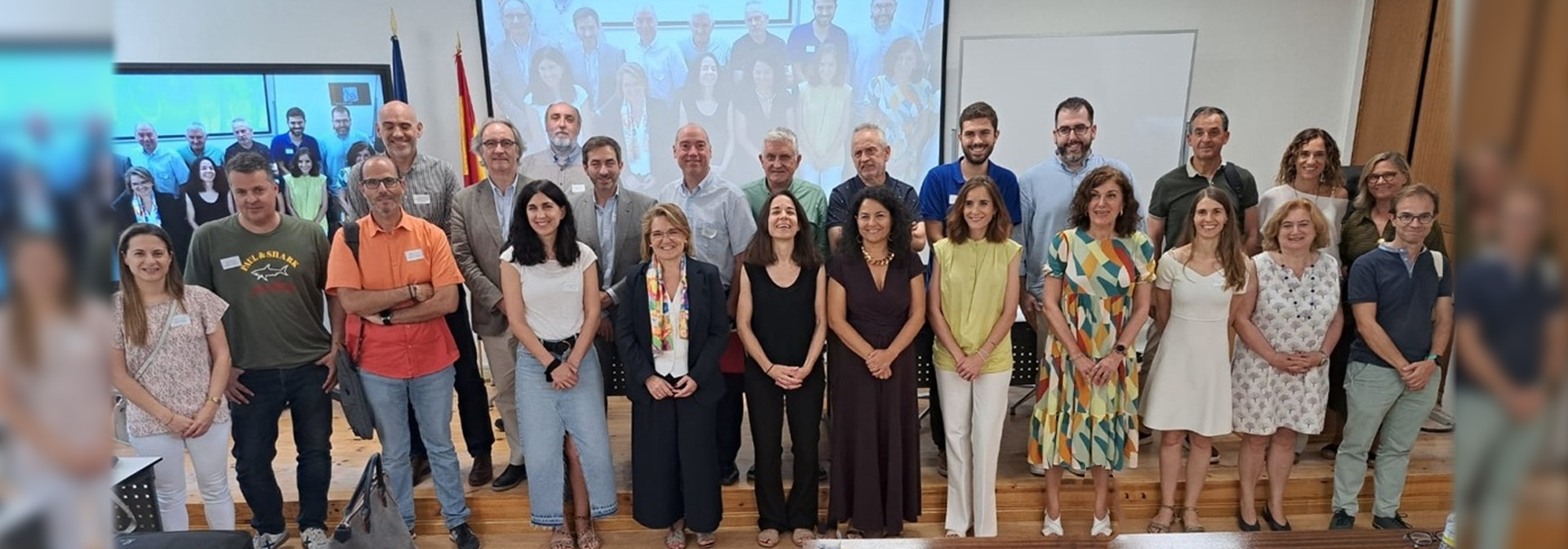
Group photo
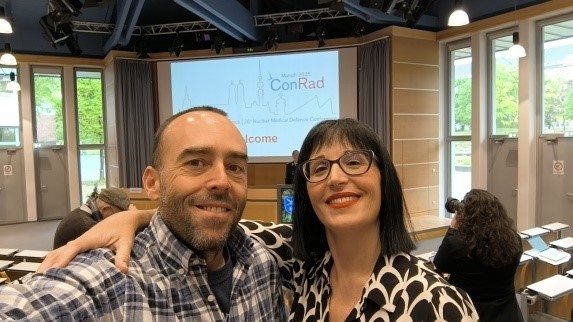
Juan Gomis Ferraz and Alegria Montoro Pastor, Radiological Protection Service, La Fe University and Polytechnic Hospital of Valencia
Matthias Port as Conference Chair and Laura Kubitscheck as Conference Secretary.
Many thanks to Julia Langer, official photographer of ConRad and BIR, for all her support, help, and for making everything perfect!
Read the news in your language